
Solo exhibition
2026
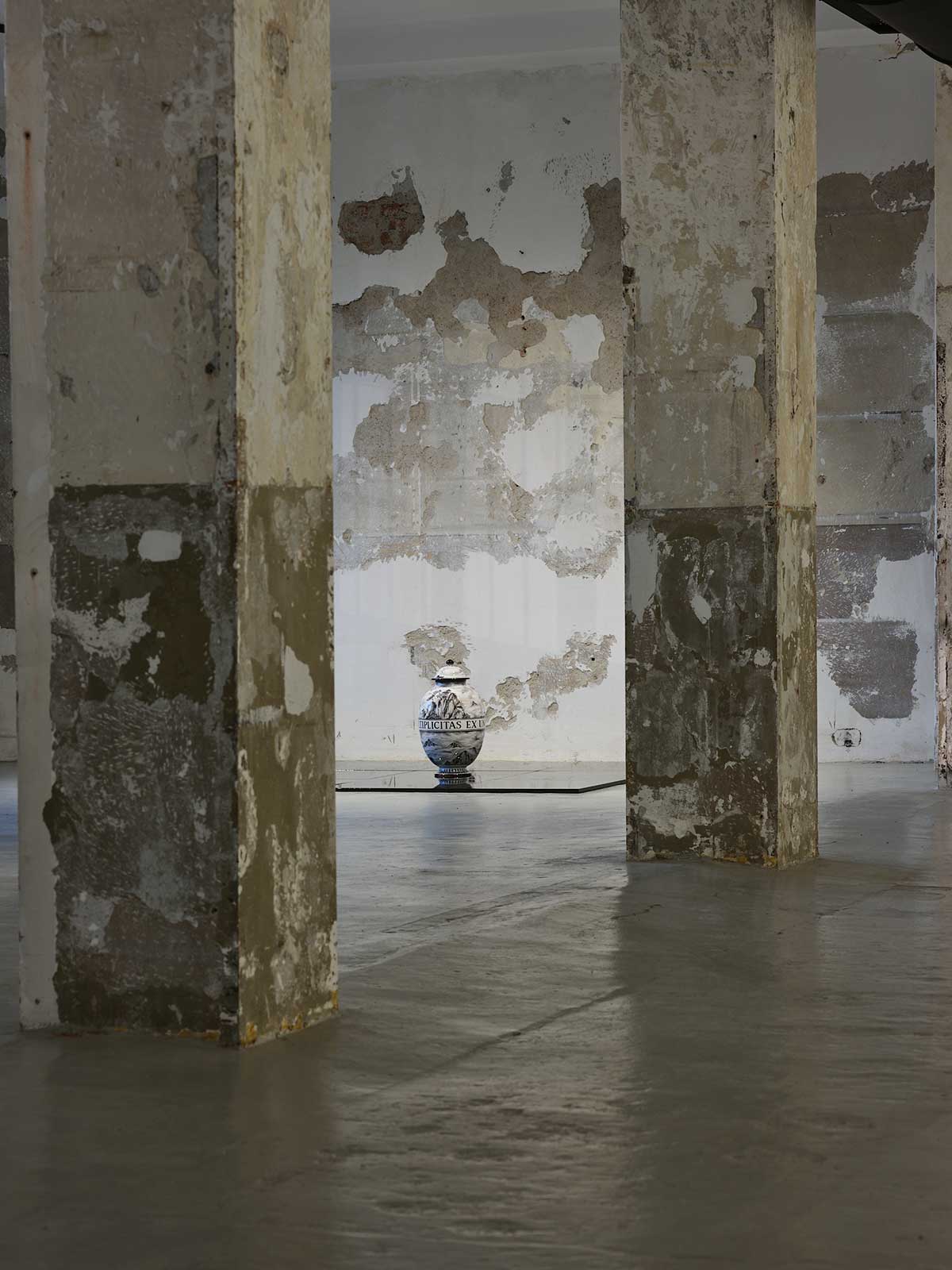
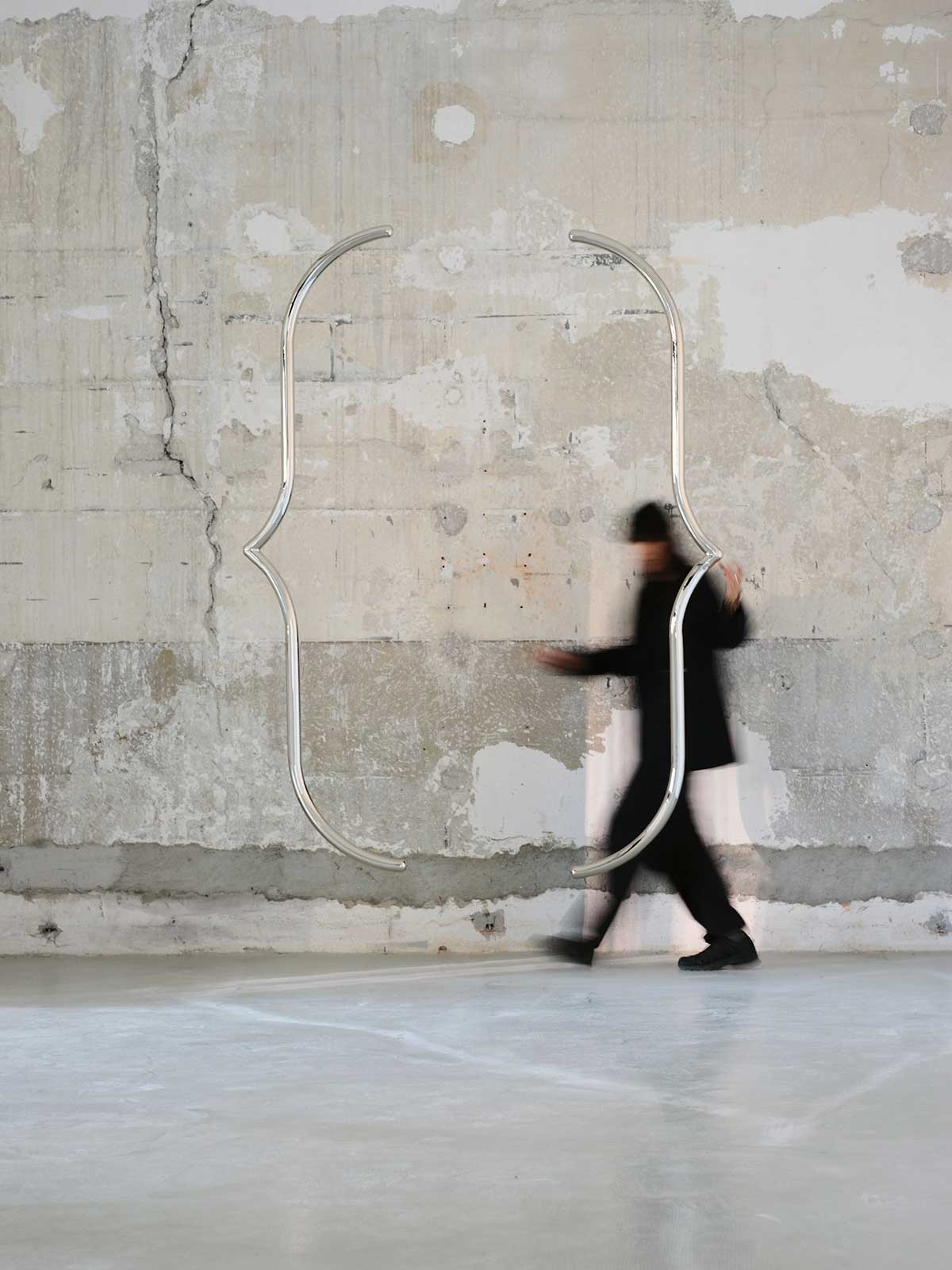
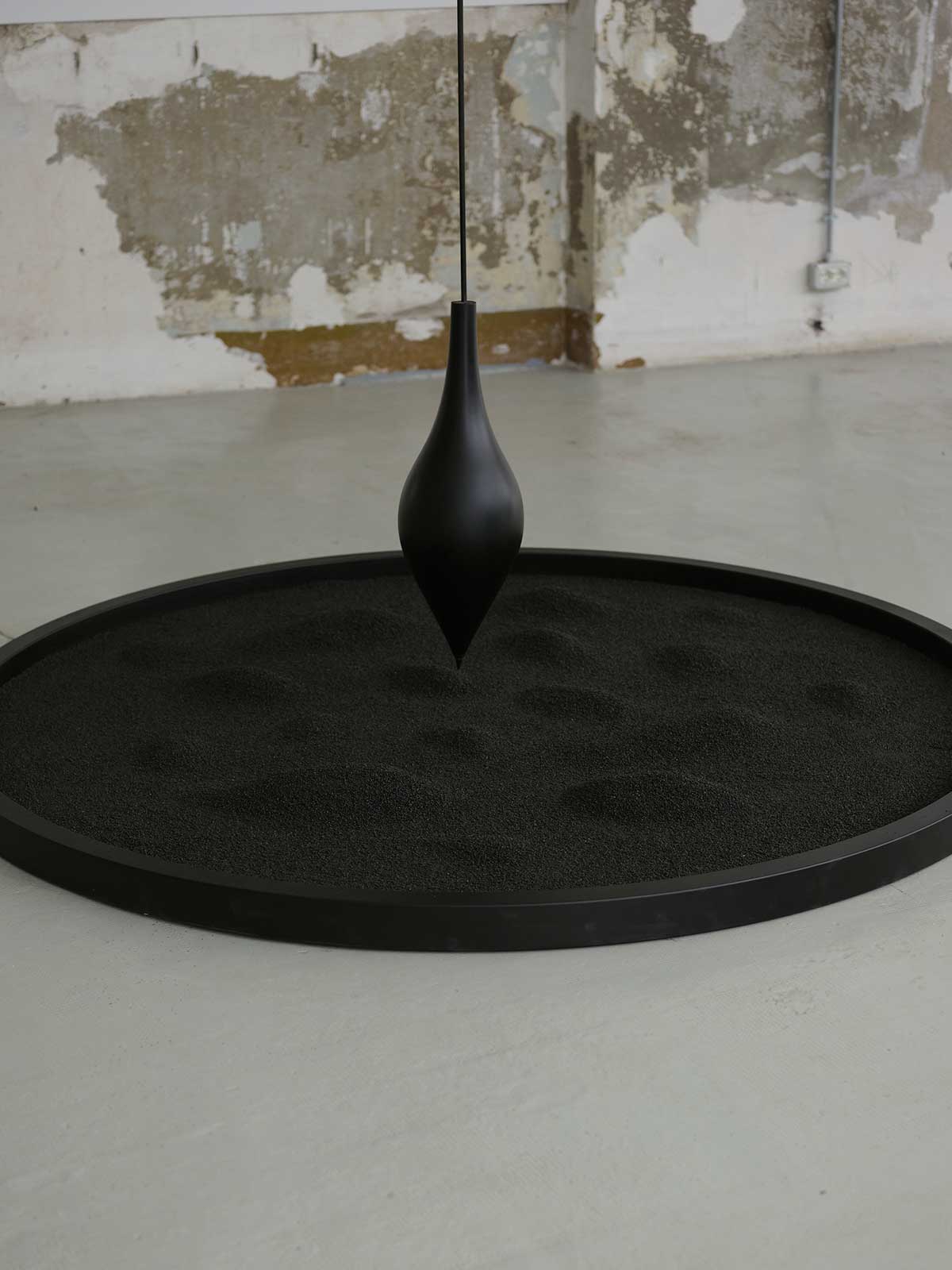
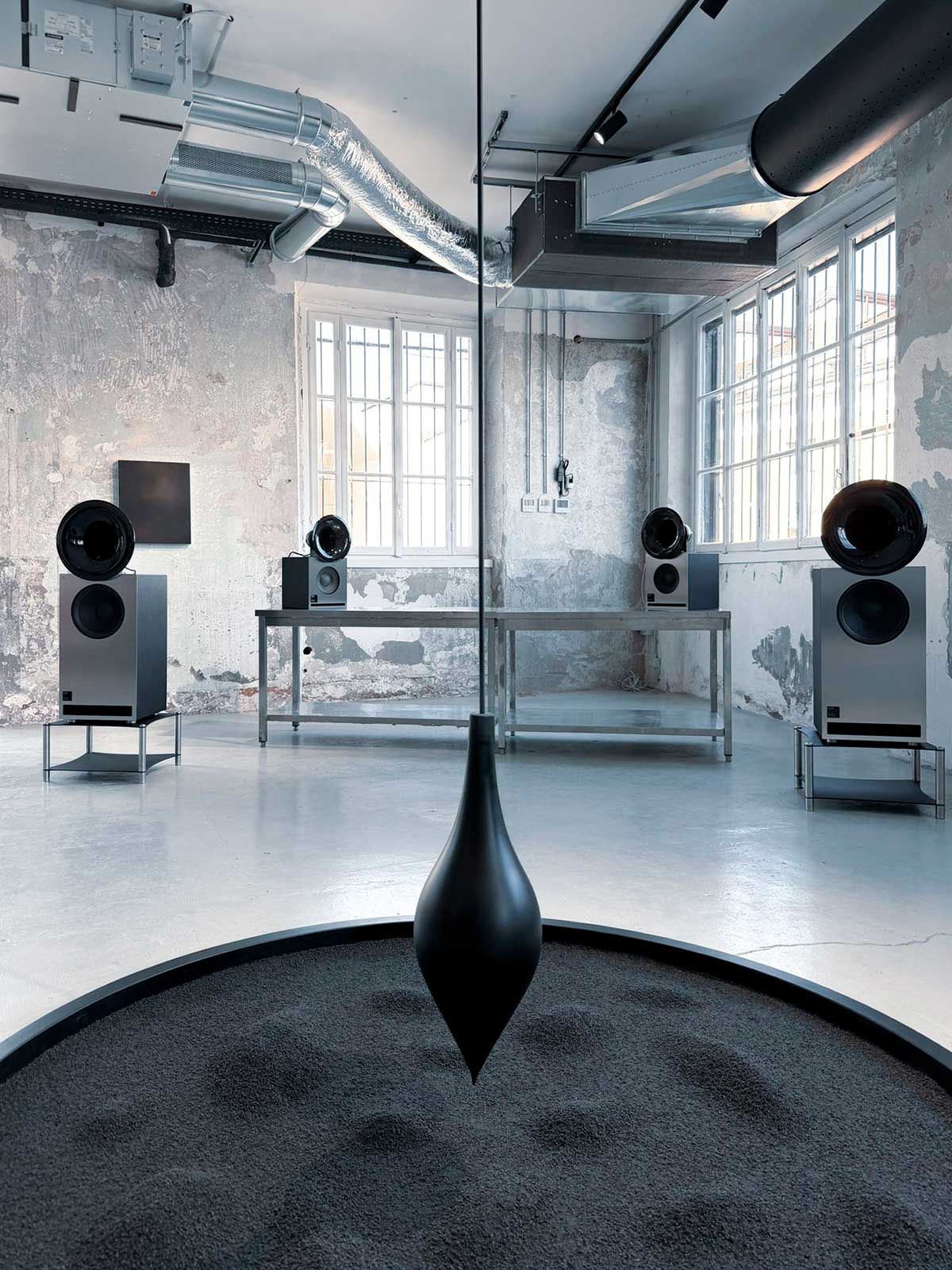
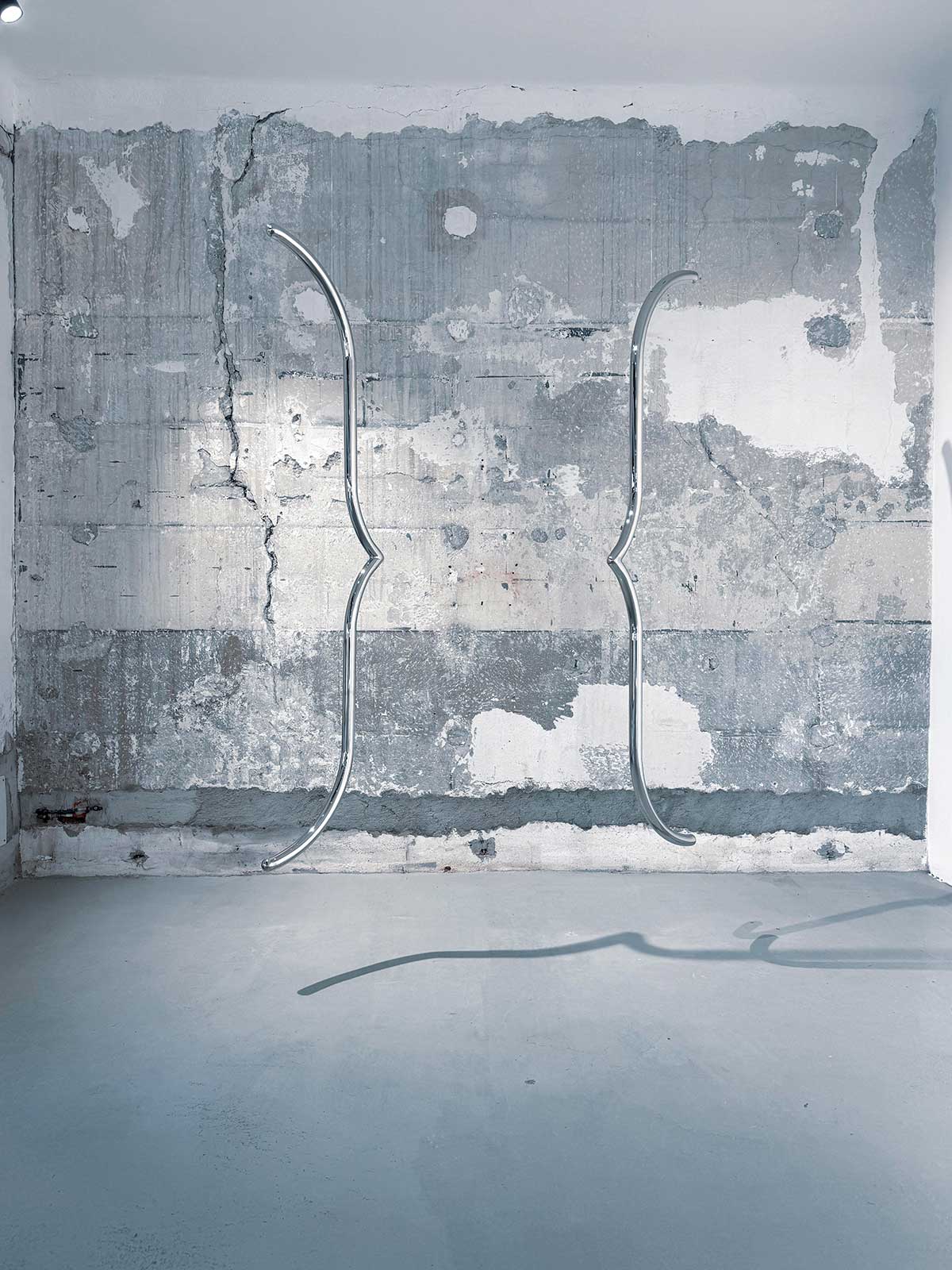
There is a point, at the origin of Chiara Capellini's images, where vision is not yet vision but possibility, a kind of unstable spark between what could happen and what instead decides to take form. This is also suggested by those signs that run through the exhibition — ψ as a field of probability, ε as a minimal deviation — coordinates of an experiment that never truly closes, because each work always seems on the verge of changing state, of deviating, of betraying itself.
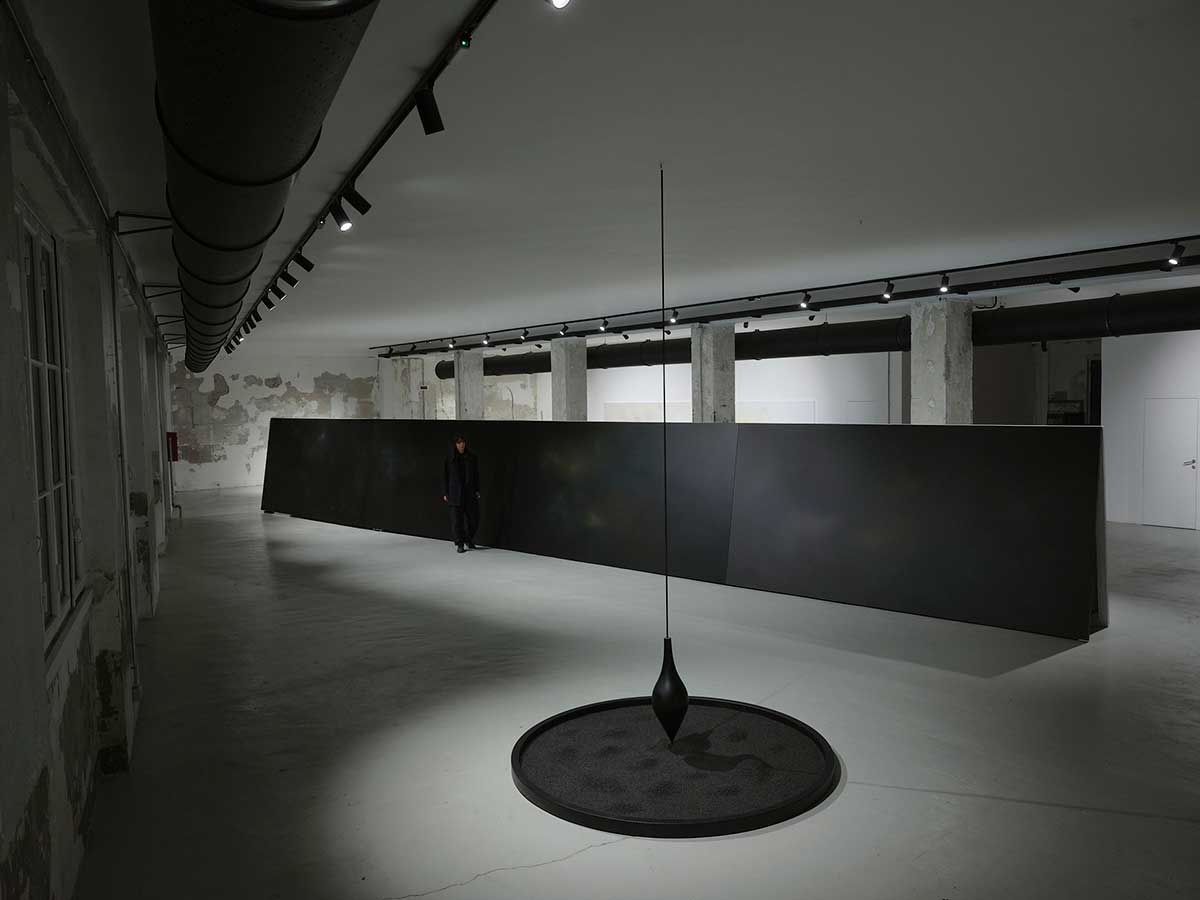
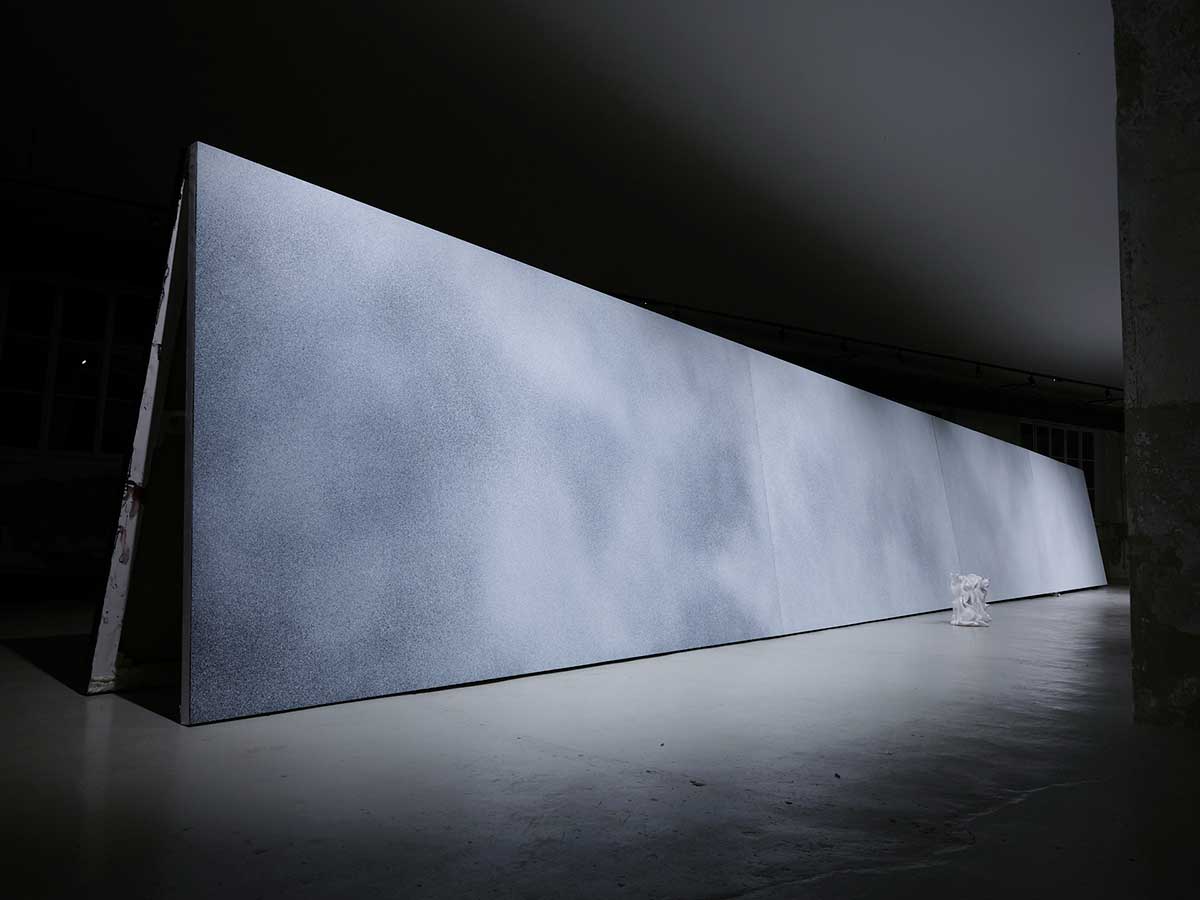
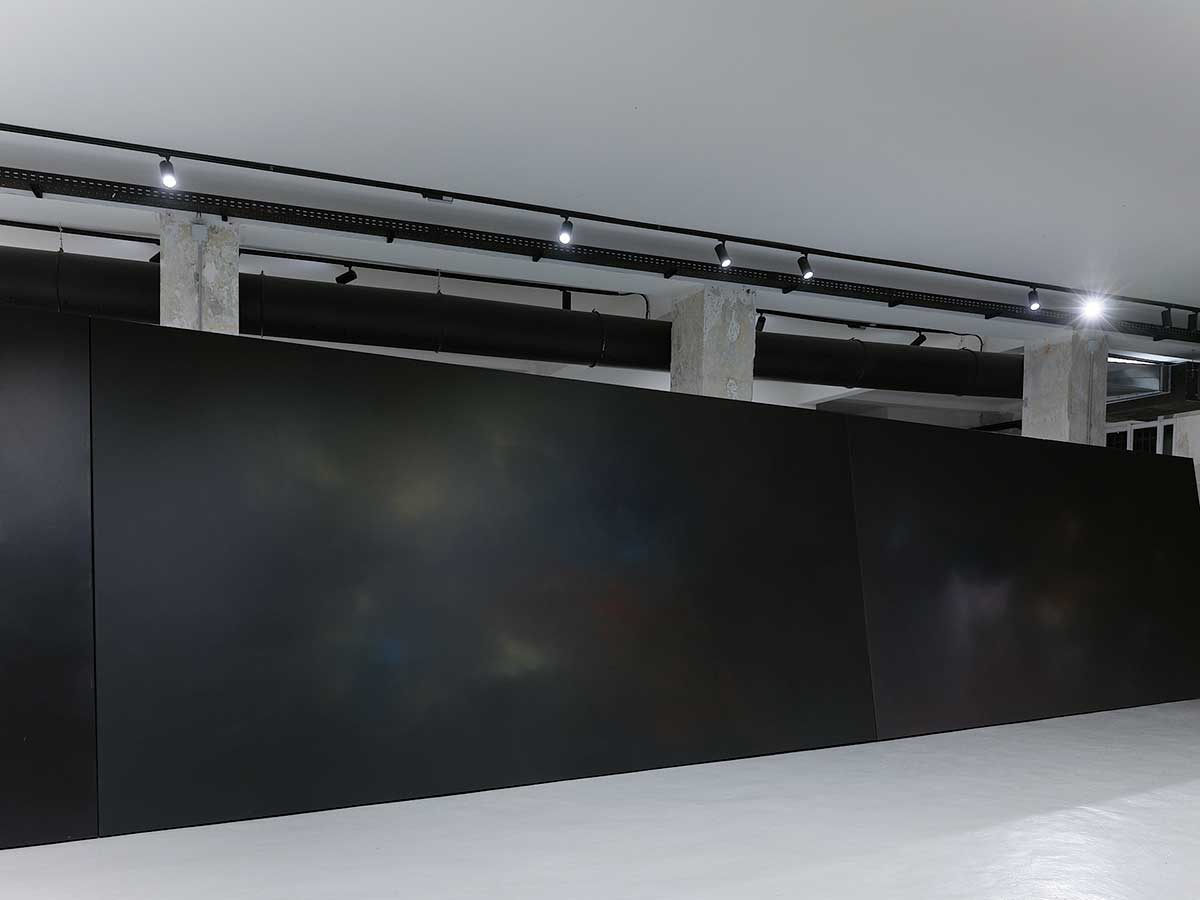
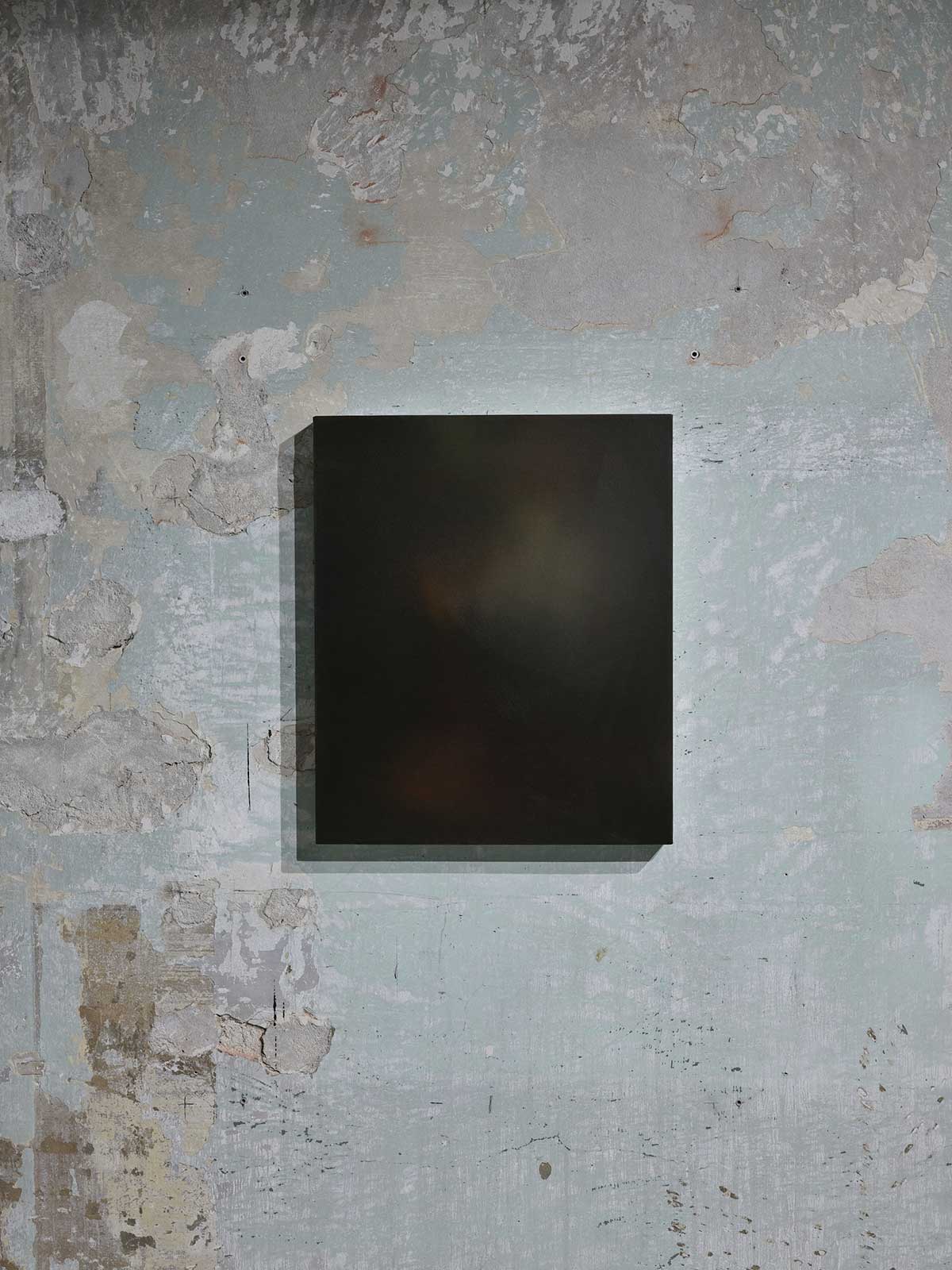
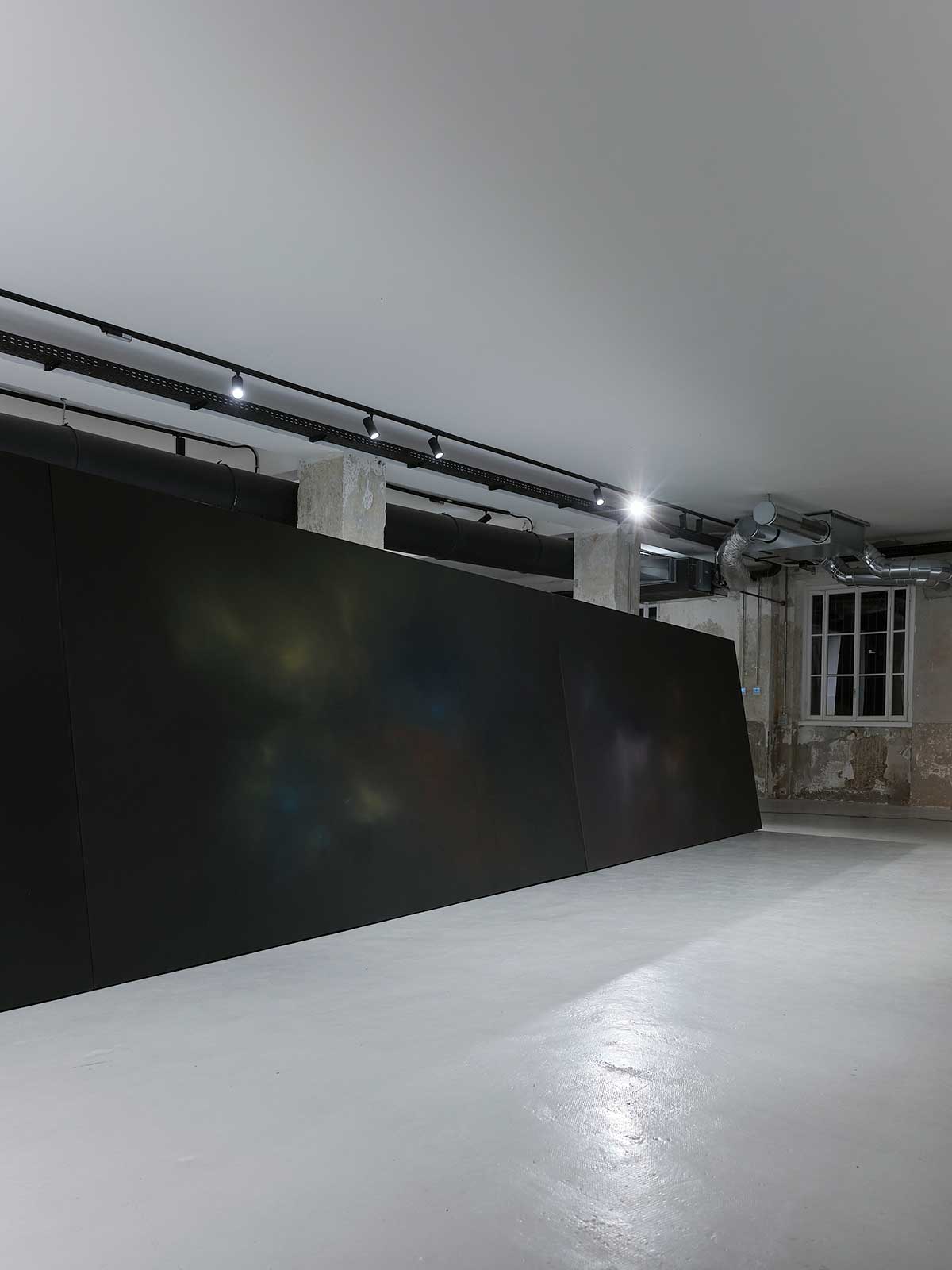
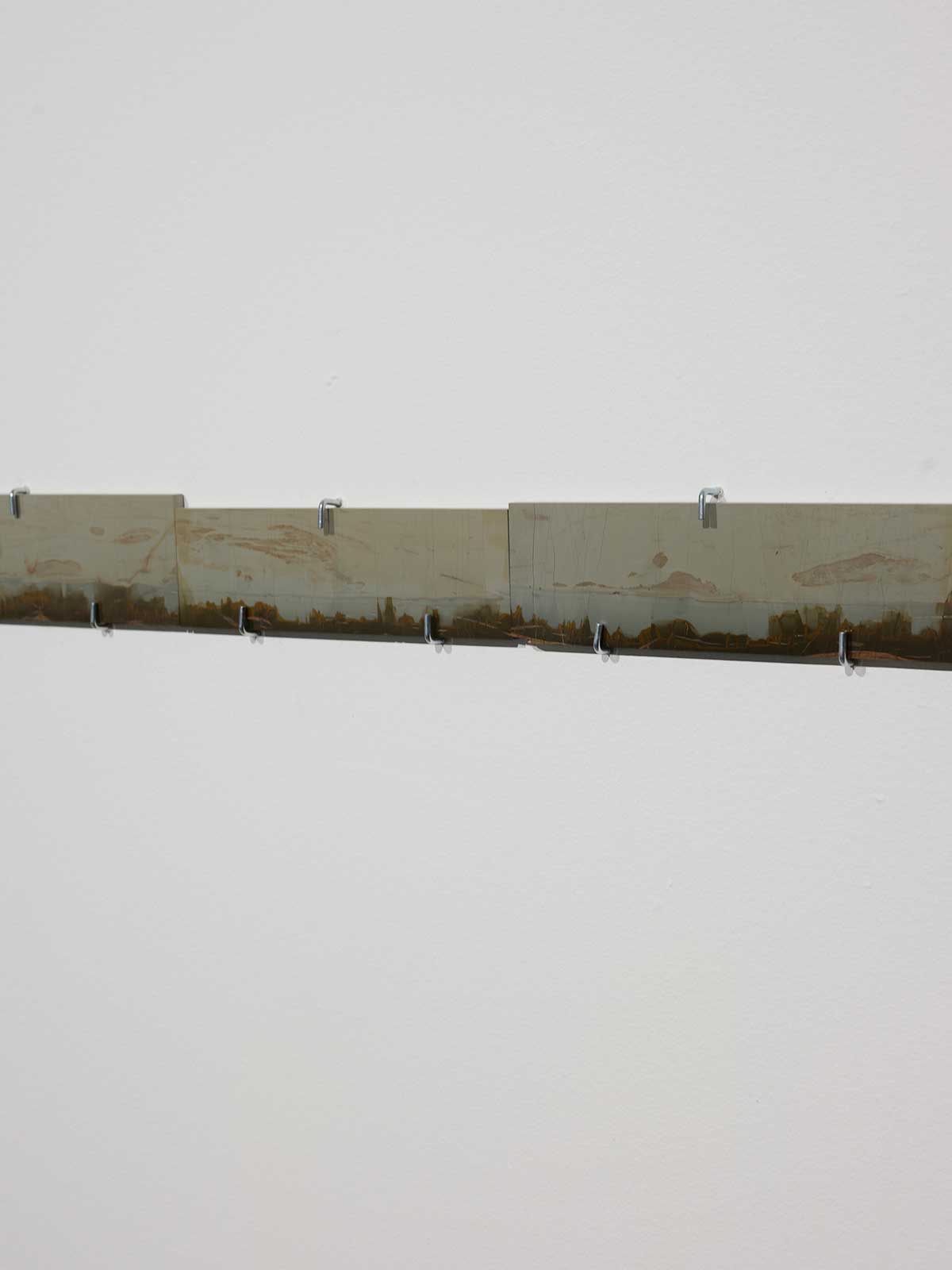
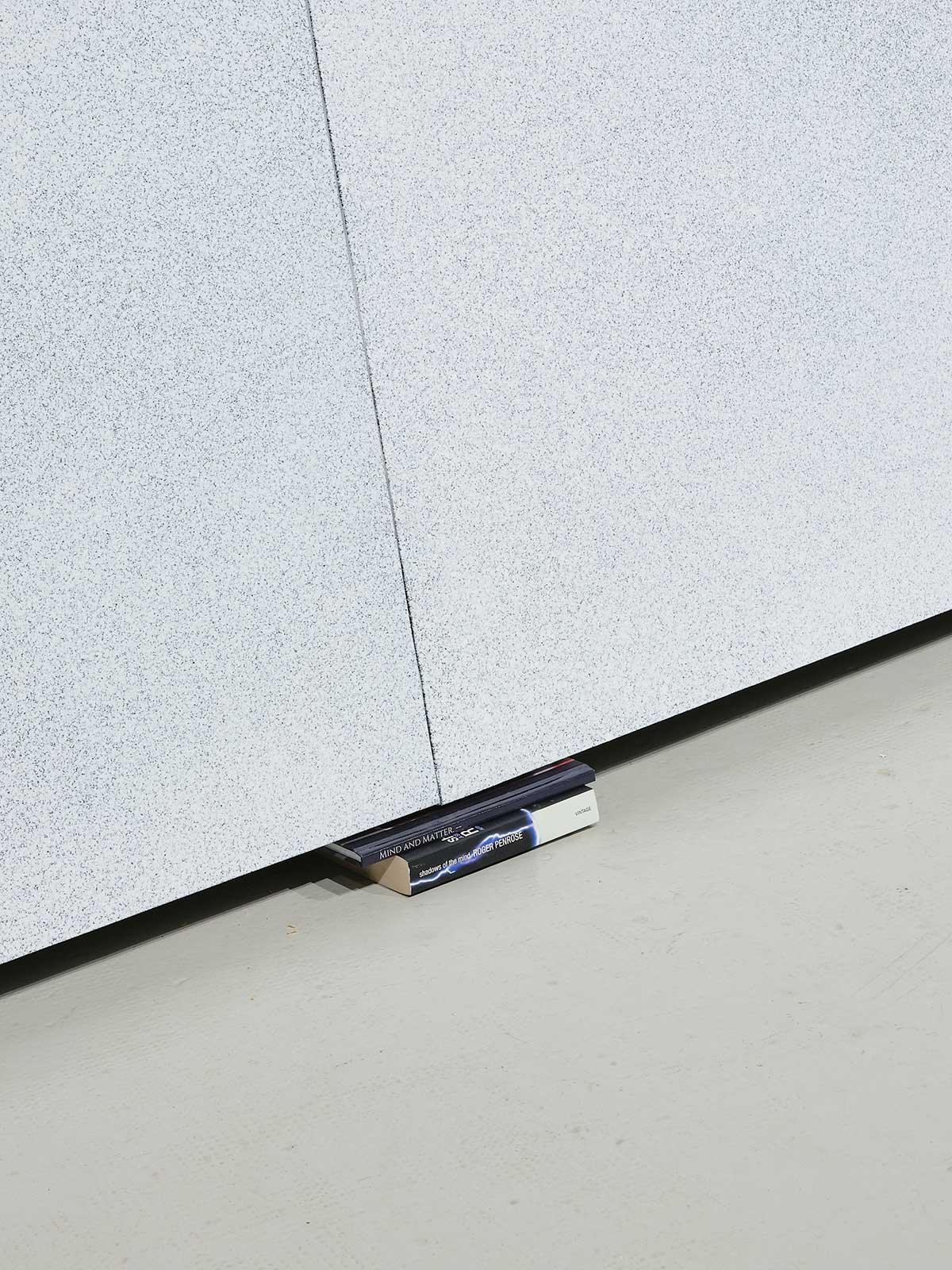
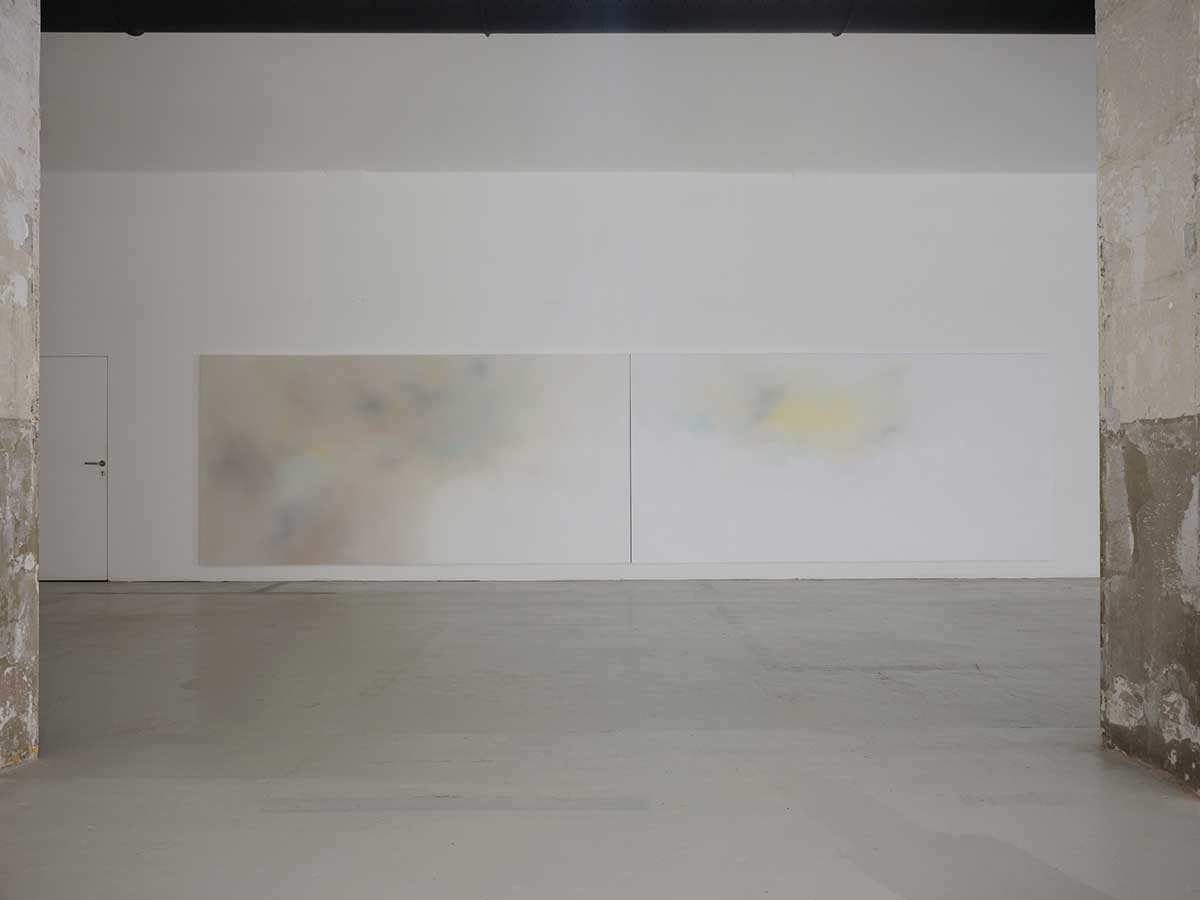
Capellini does not use science to explain the world; she puts it under pressure: she adopts it as a language and immediately fractures it, transforming art into a field of forces where data, signs and surfaces accumulate without ever finding a definitive stability. And indeed everything, in her images, seems on the verge of exploding. The large monochrome surfaces, stretched with almost clinical precision, seem to want to construct order, system, control, but beneath that apparent calm one senses a continuous tension, as if very little were enough to make everything collapse.
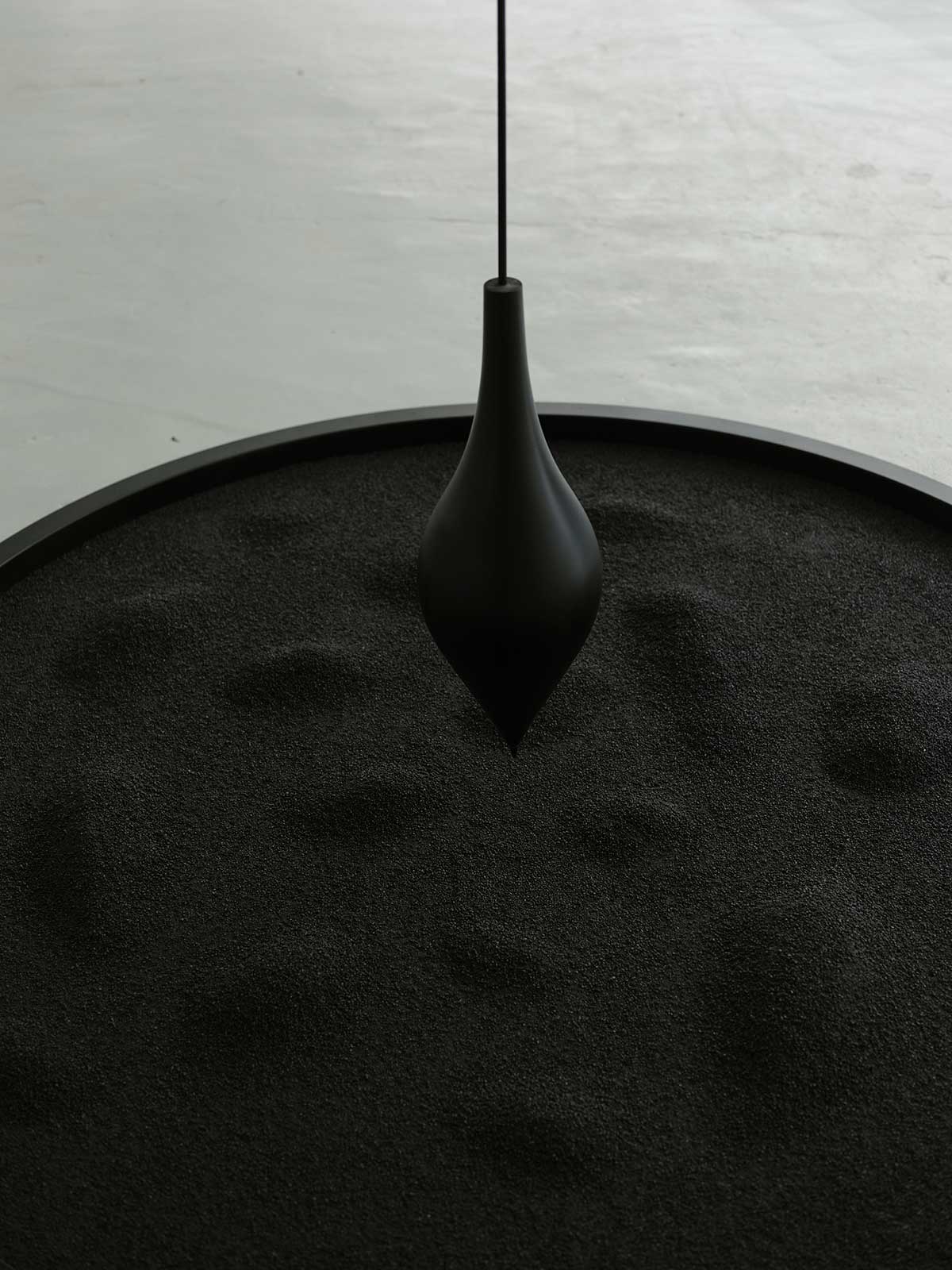
It is here that physics truly comes into play, not as an illustrated theme but as a method: the gesture becomes a procedure, a repeated attempt to approach a law through accumulation and repetition. Except that each time something escapes, something deviates, as if reality were always one step further, irreducible to any scheme.
For this reason Capellini's images do not allow themselves to be closed into a meaning; they remain open, ambiguous, and in looking at them it becomes almost natural to seek allies elsewhere: in the theatre of Samuel Beckett, where dialogues spin in circles and meaning lies entirely in waiting; in the cinema of Stanley Kubrick, which scatters clues without ever delivering a solution; in the literature of Jorge Luis Borges, where every text is an enigma that expands instead of resolving. And then, inevitably, in Gerhard Richter, who paints as if truth were always there, within reach, yet constantly out of focus.
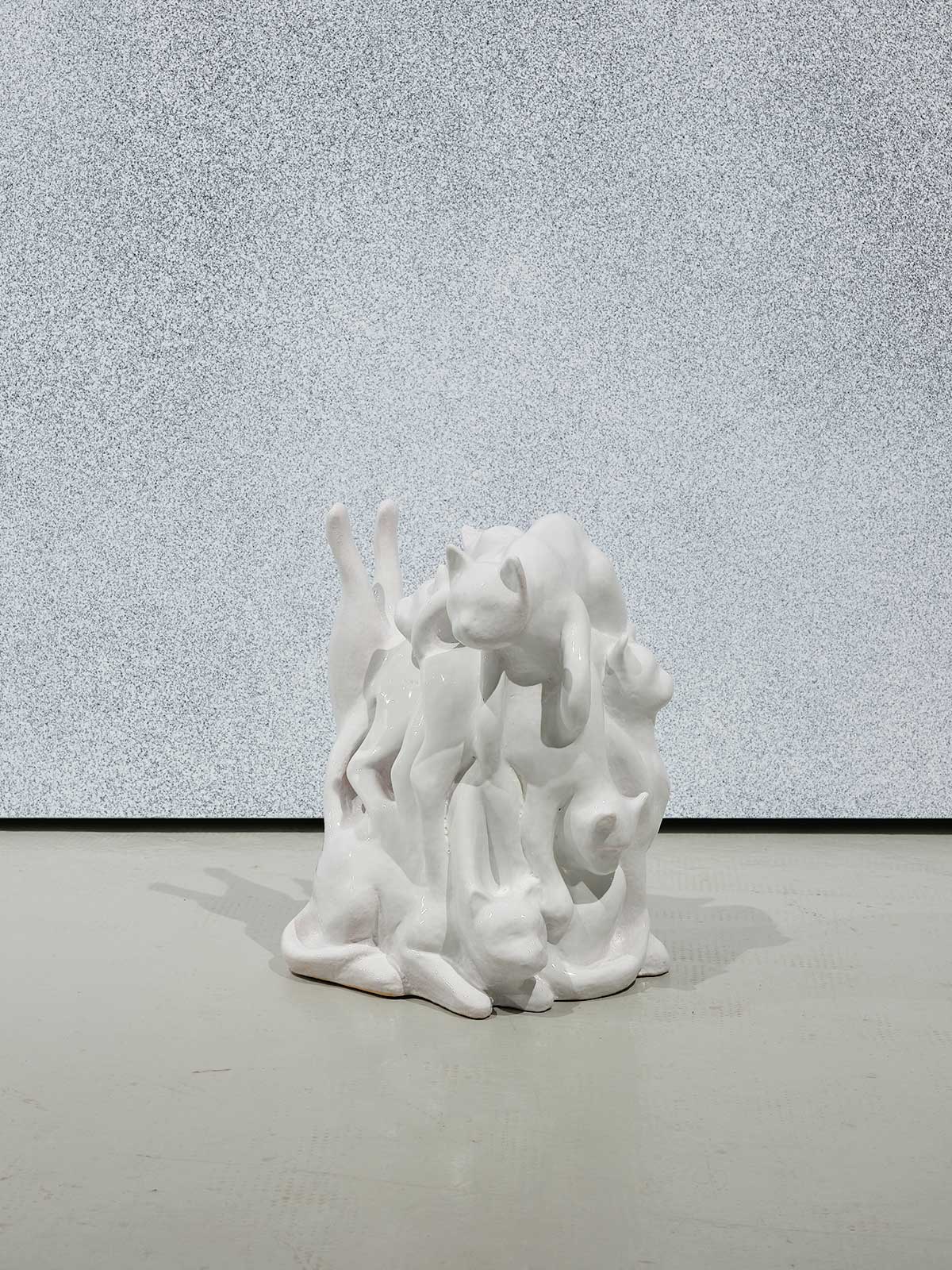
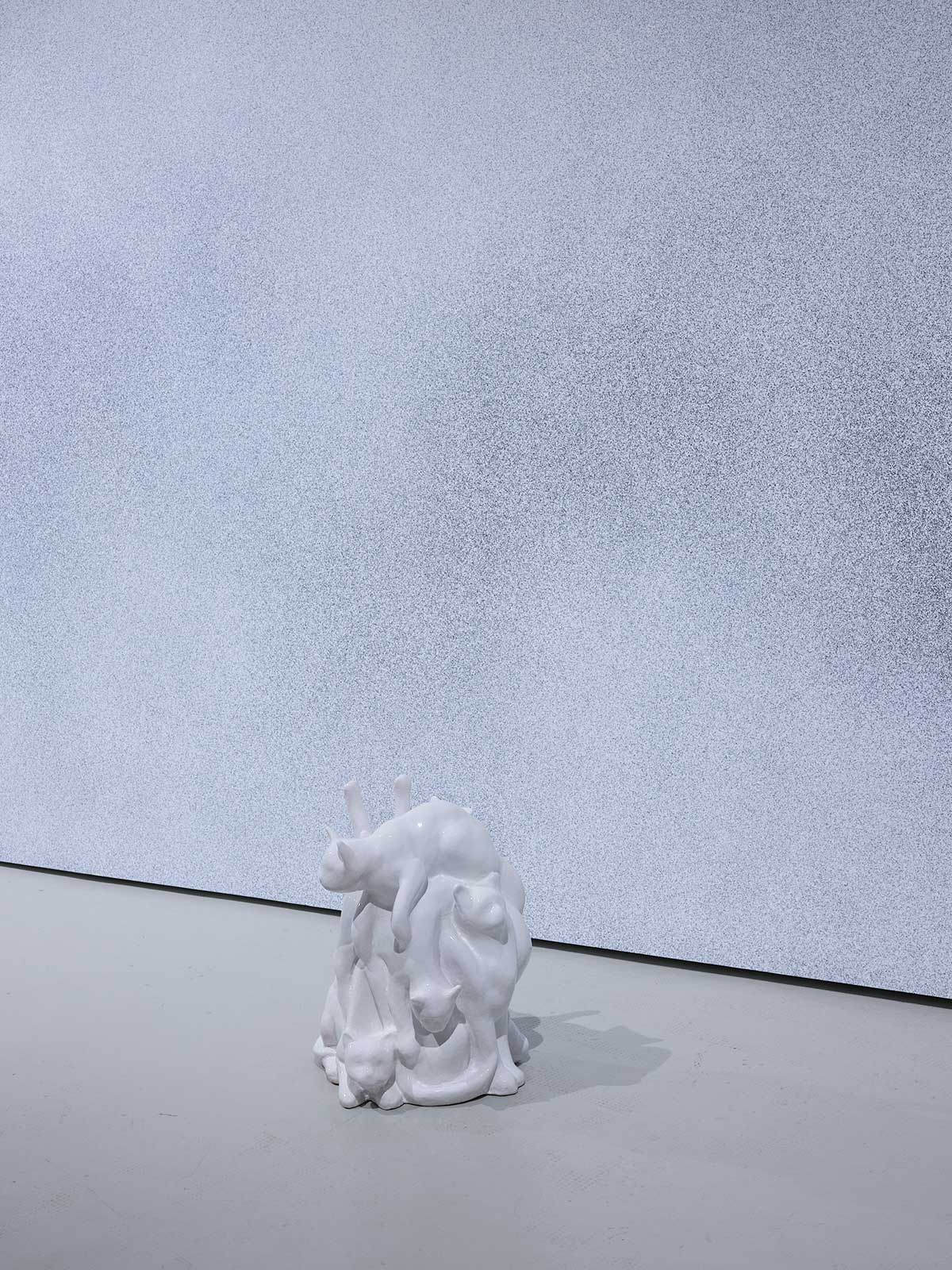
Capellini never confronts that truth directly. She does not declare it, she does not stage it: she brushes against it, scratches it, covers it, erases it because she arrives ahead of it. And then those white cats appear, or perhaps a single cat multiplied, which aggregate until they become something else, a compact mass that brushes against the monstrous, a mutant creature, a system error, or perhaps of a God who exists and is distracted or sadistic.
Her work is, ultimately, a form of negative knowledge. It does not say what reality is, but shows why it escapes us. It does not place art and science against one another to make them win, but to show them both as incomplete: physics seeks laws, art seeks images, and both fail. And it is precisely there, in that failure, that they become true.
Nicolas Ballario
Venue
Ufo Milano
Location
Milano
Year
2026