Solo exhibition
2025
Our ability to see is, paradoxically, also a limitation. Quantum mechanics demonstrates that the vacuum is never truly empty: space is crossed by quantum fluctuations, pairs of particles and antiparticles that emerge and annihilate each other in infinitesimal time intervals. Even the concept of absolute darkness is an illusion because every surface is continuously struck and traversed by invisible particles, such as neutrinos, which interact only weakly with matter, or photons, which transport light across space.
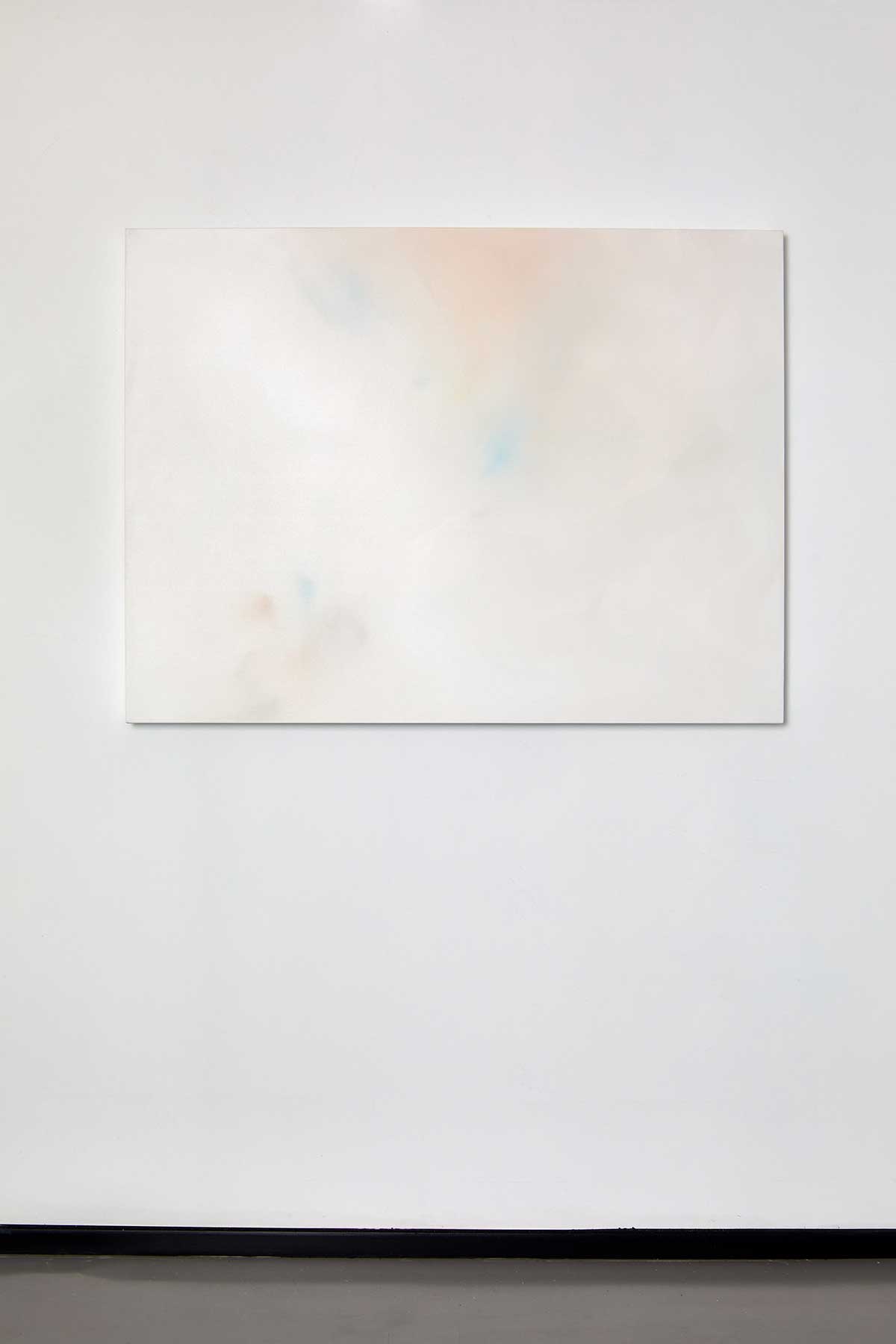
Similarly, even the slightest application of color holds infinite depth. And a monochrome surface, which should appear uniform, is in reality a field of dust, particles, or microscopic variations in intensity that interact with light, the environment, and our gaze.
Bohr theorized that light has a dual nature: it can behave as either a wave or a particle, depending on how it is measured. The famous double-slit experiment shows that light and electrons behave as waves when unobserved and as particles when we measure them. This suggests that reality is not objectively fixed in the classical sense but instead depends on the very act of observation.
Heisenberg's Uncertainty Principle further reinforces this limitation of knowledge: we cannot simultaneously determine both the precise position and the momentum of a subatomic particle. The more we try to define one aspect of reality, the more the other escapes us, as if the universe itself were designed to remain partially hidden from our view.
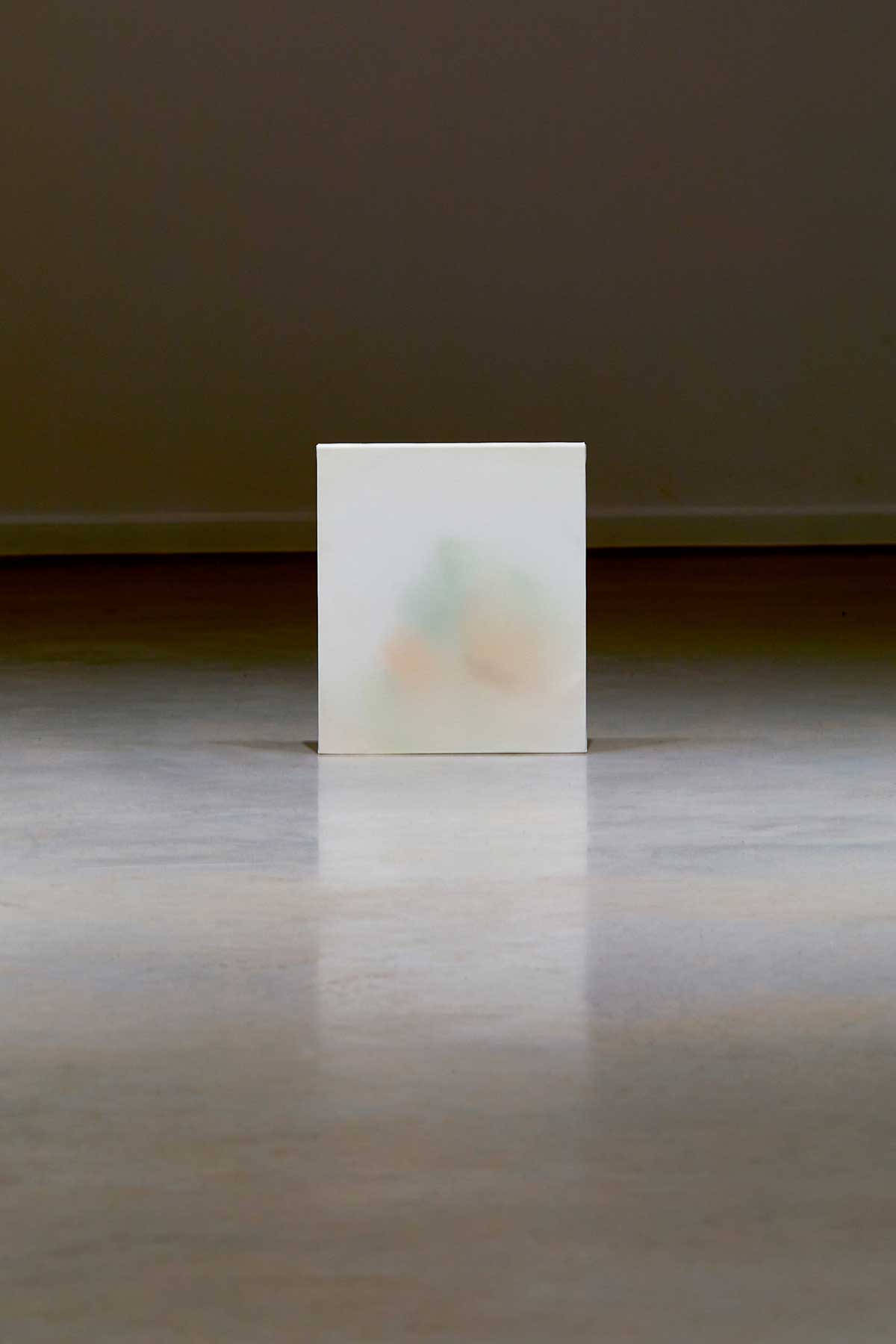
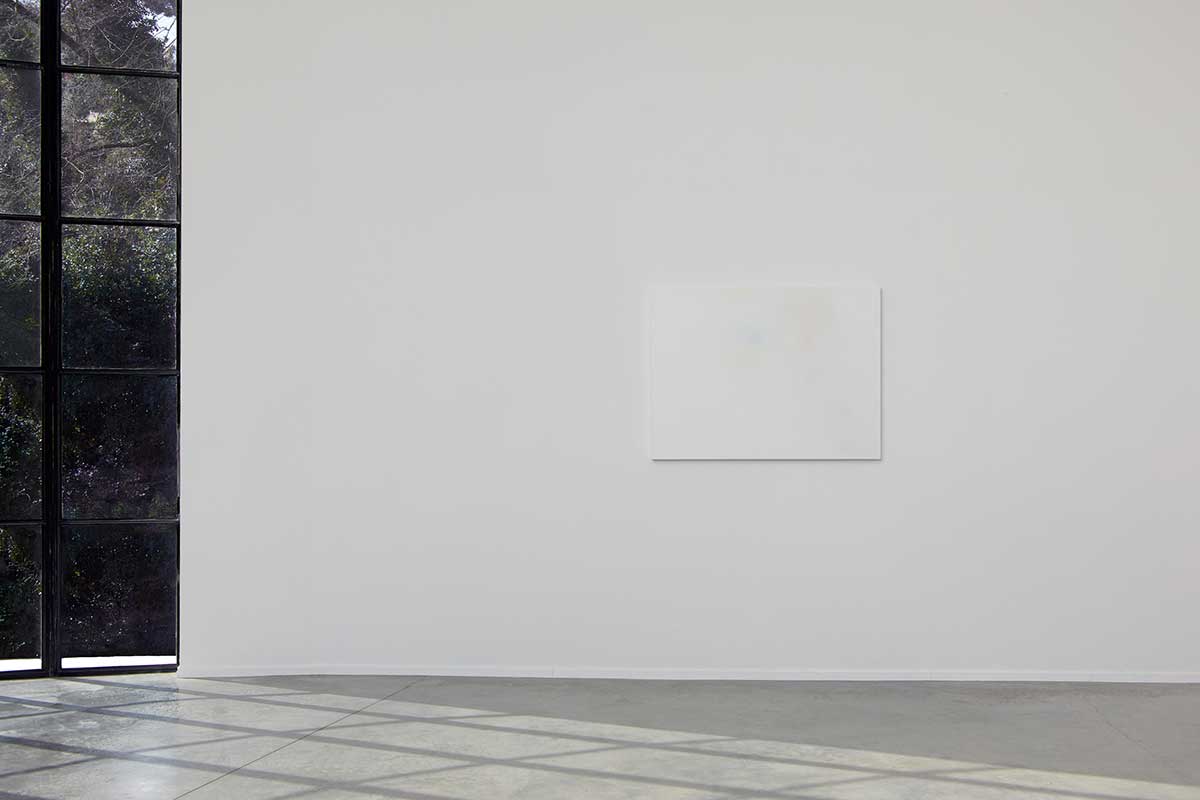
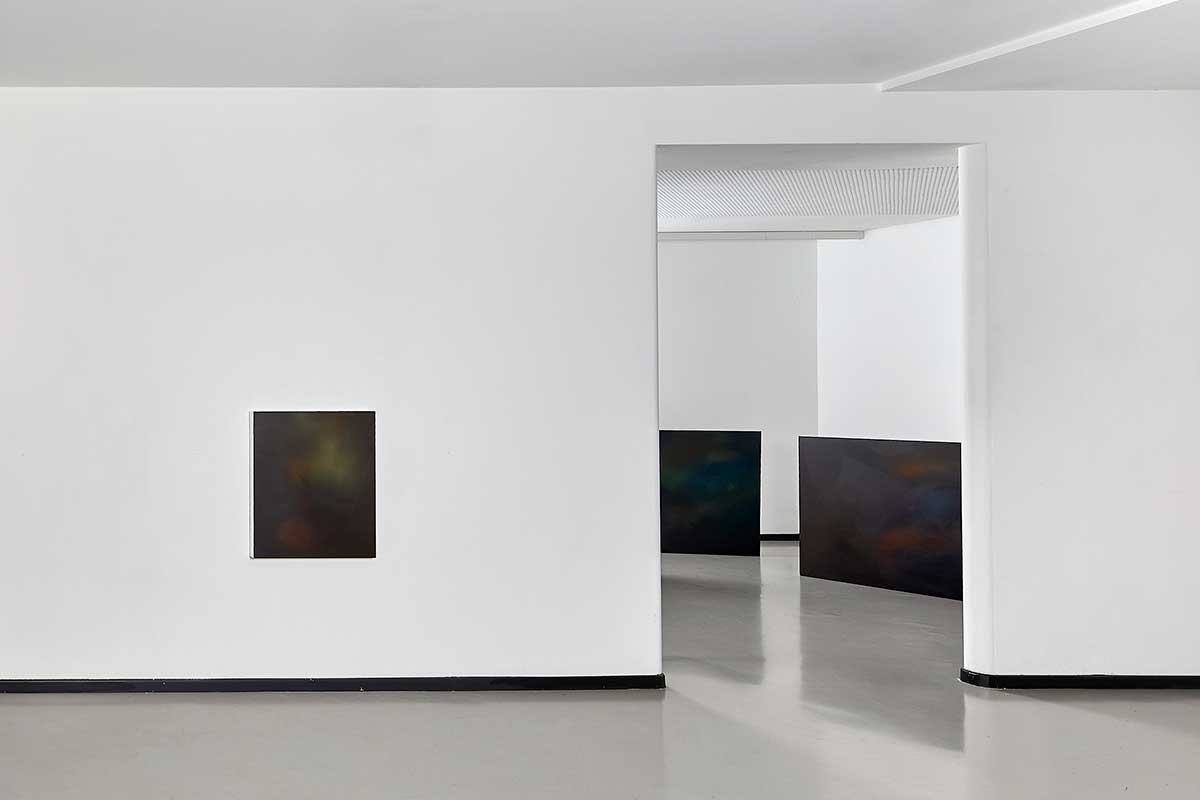
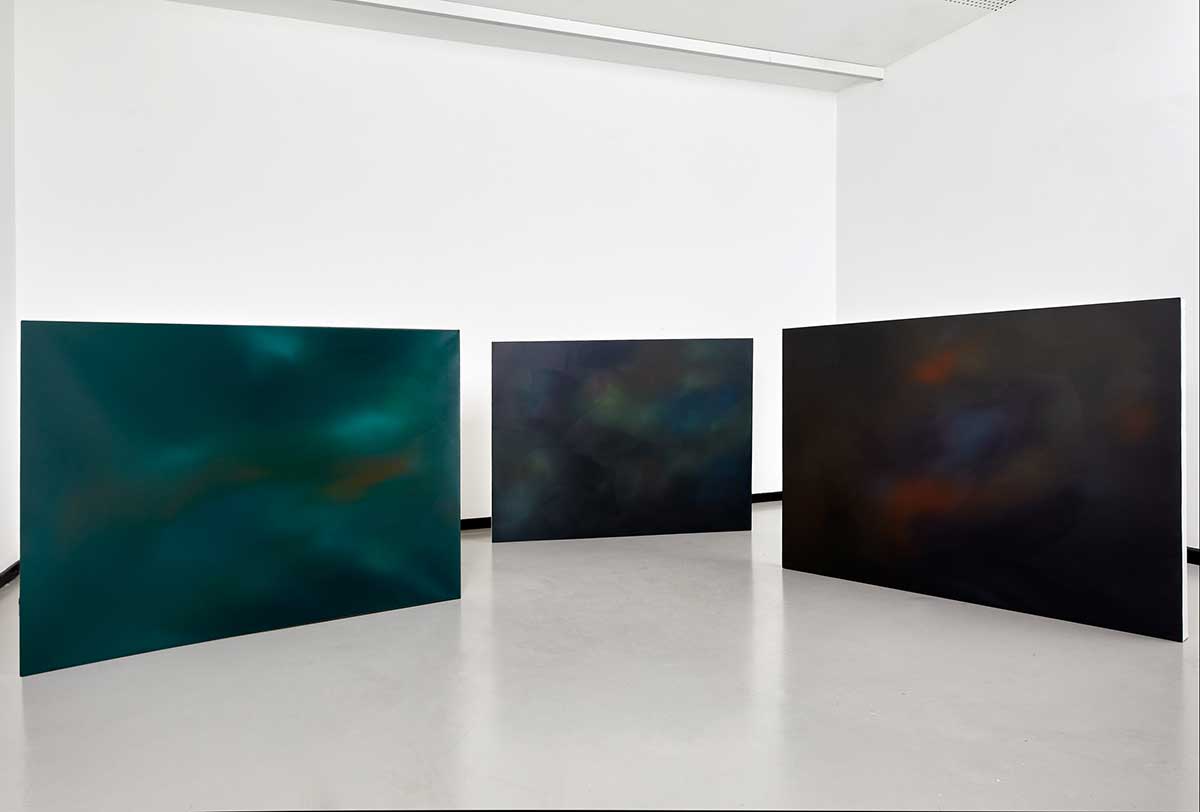
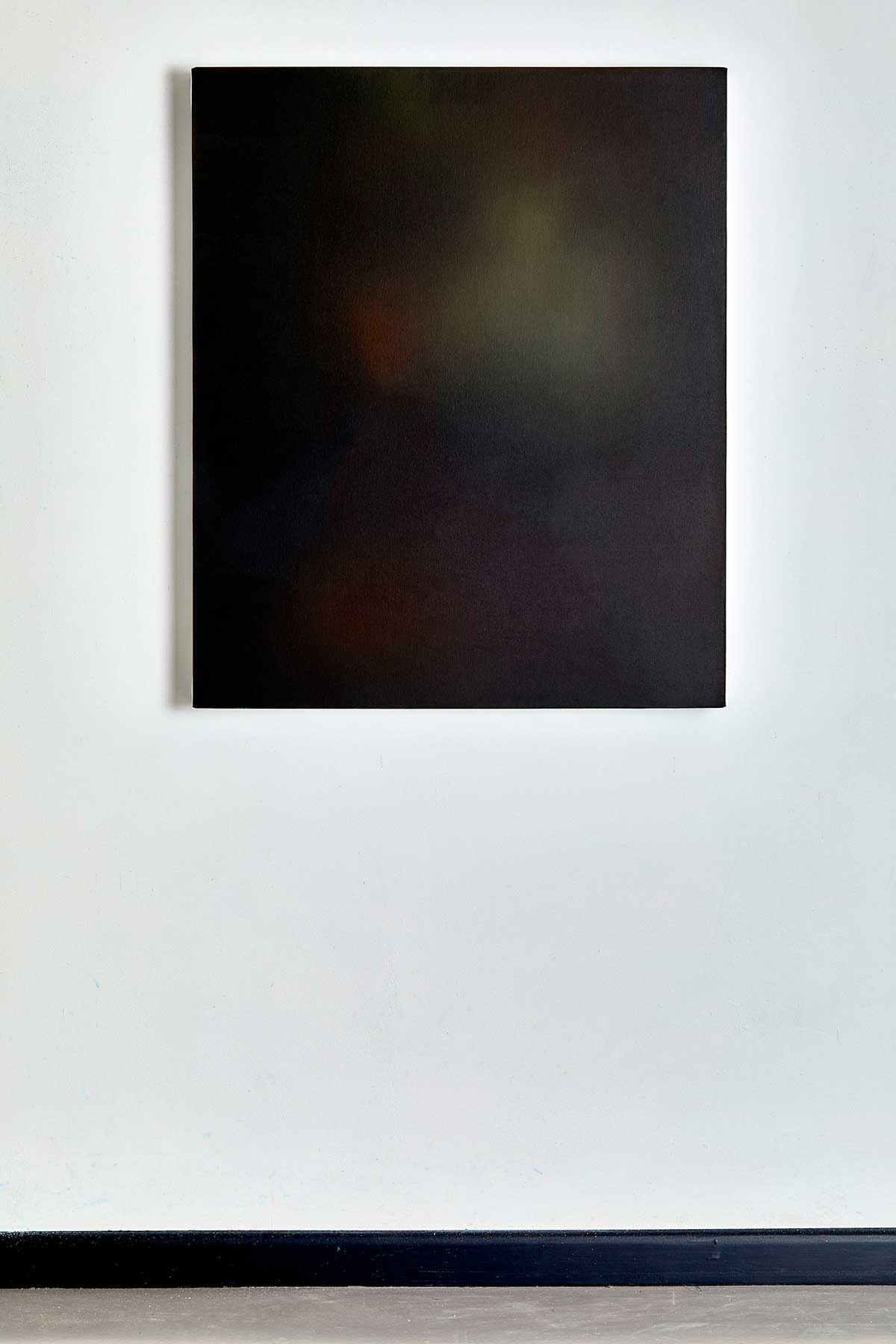
Within the Fondazione Cab, I have created a series of installations designed to engage in dialogue with the space. Each room interacts with the artworks, creating a context that enhances and amplifies their meaning. On the main floor, a room flooded with natural light from a large window hosts two pieces that explore the concept of light. The first is an almost entirely white artwork, placed on a vast white wall. Here, the piece seems to dissolve into its surroundings, as if it were itself made of light, with subtle flashes of color that emerge only upon close observation.
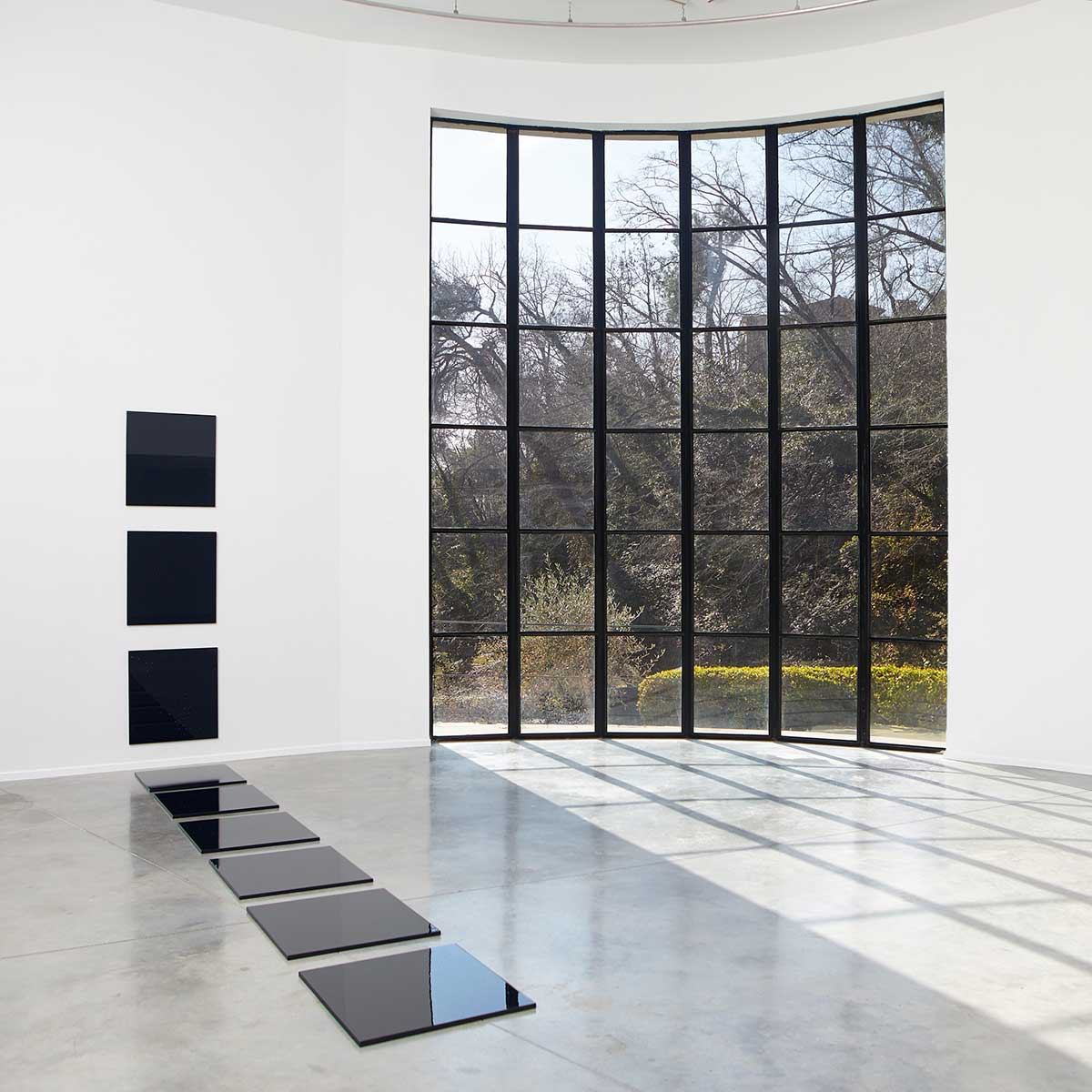
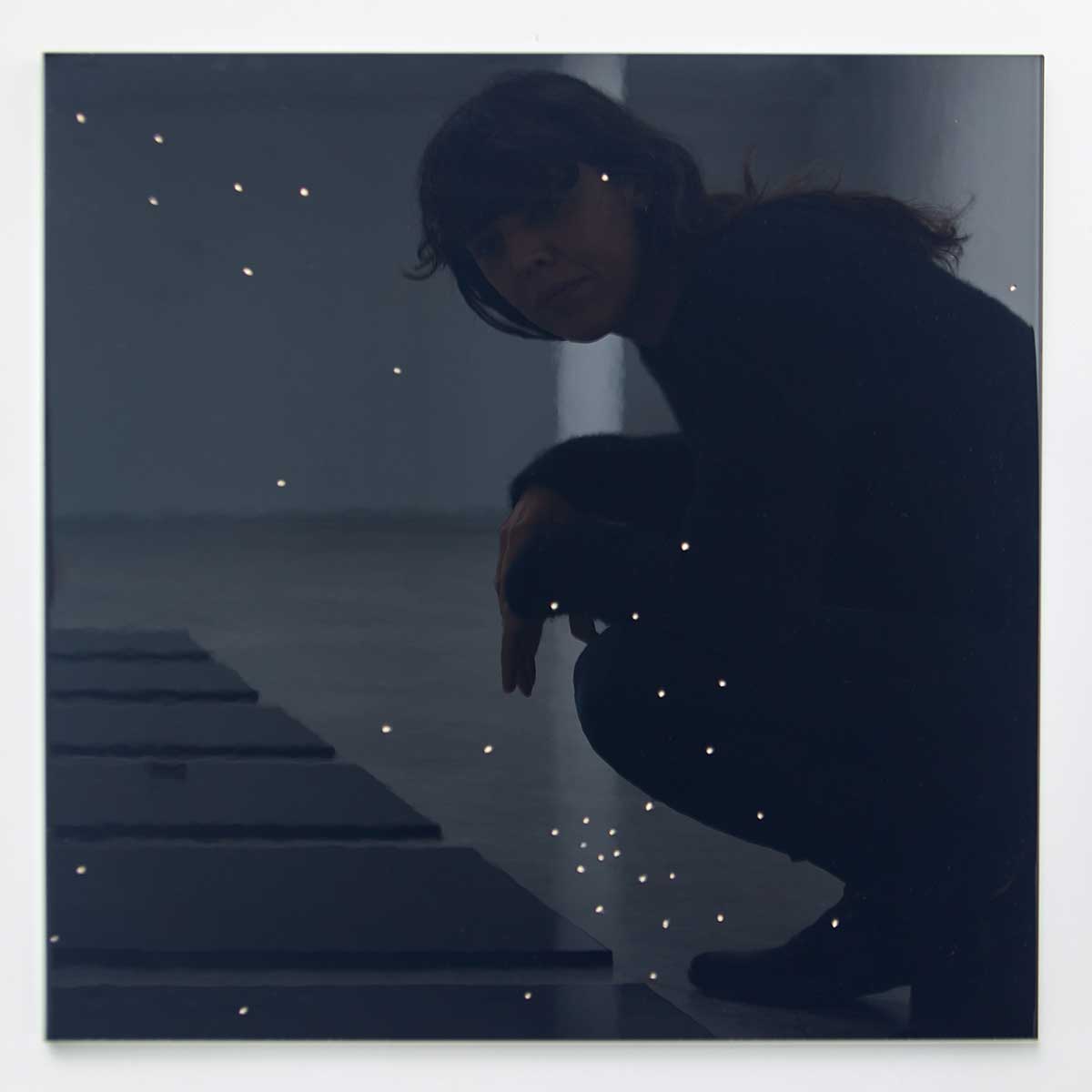
In the same room, the second artwork echoes the structure and geometry of the windows, addressing the theme of particles and photons, and our act of observing them. It consists of nine black, reflective panels that mirror the viewers while containing traces of particles, as if they were photons or neutrinos. The color, scraped away from the surface, suggests the passage of light — an invisible flow of energy traversing the material.
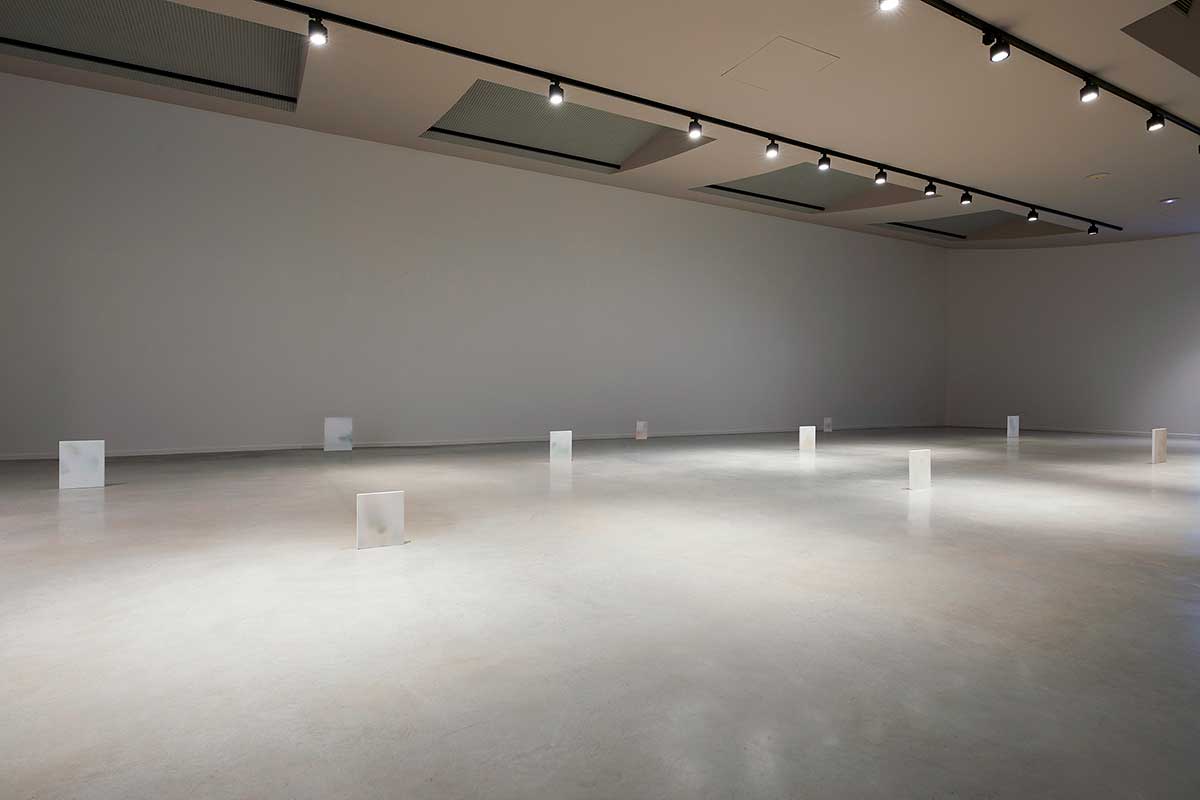
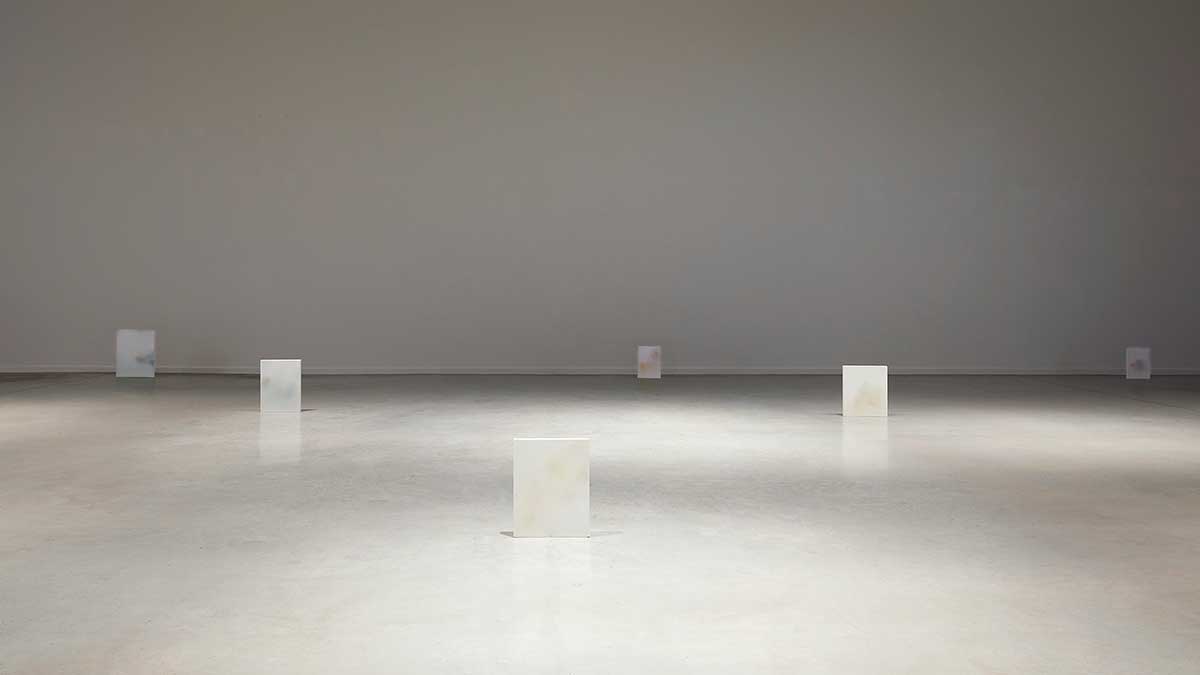
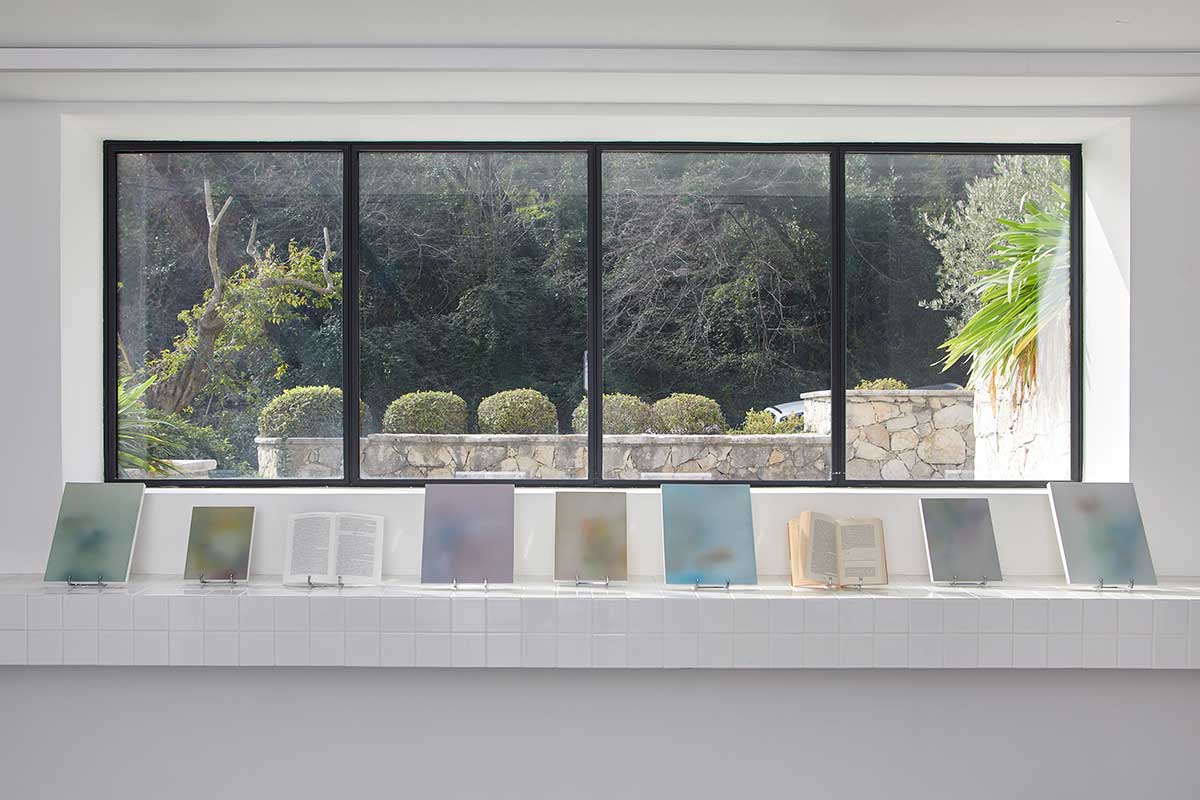
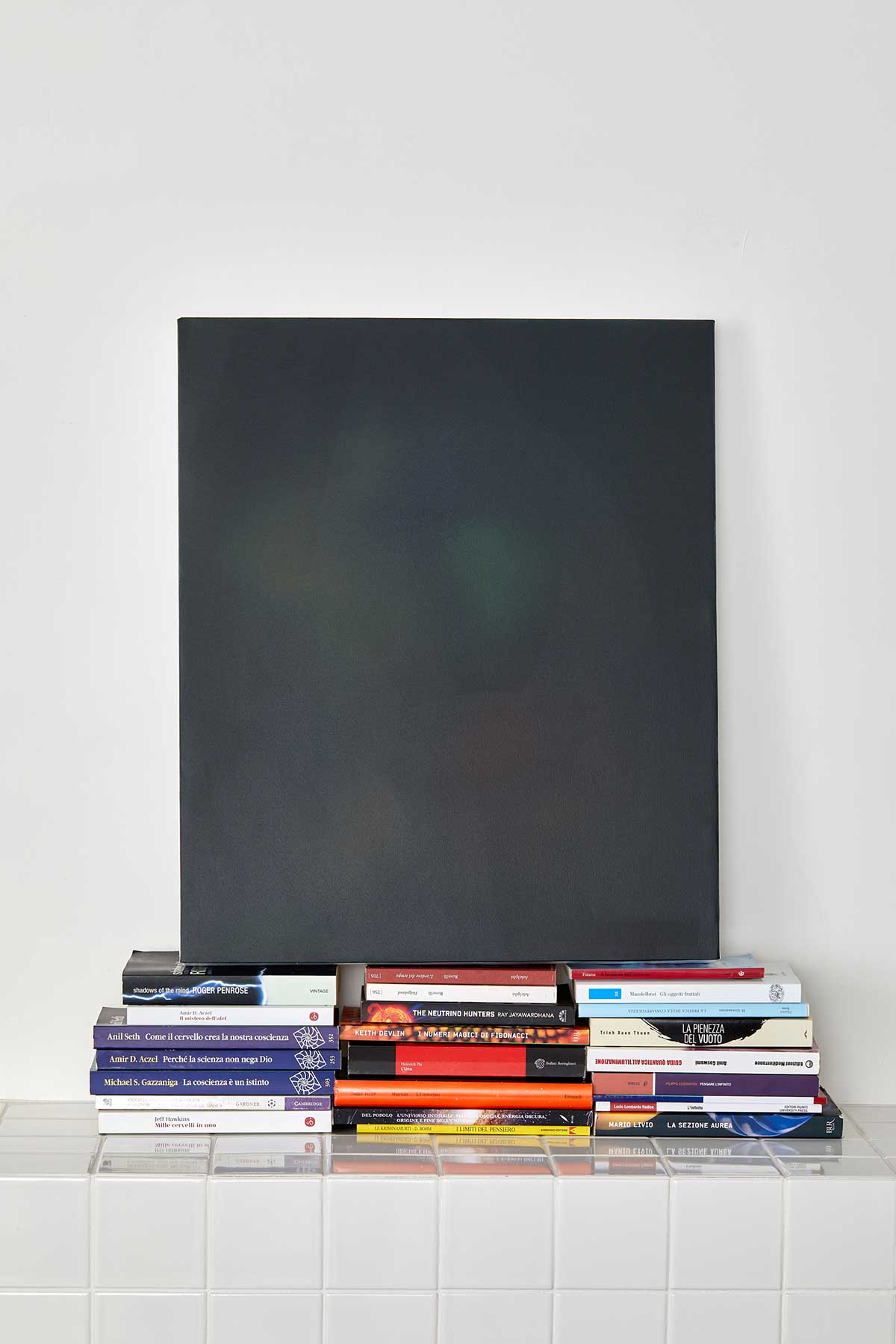
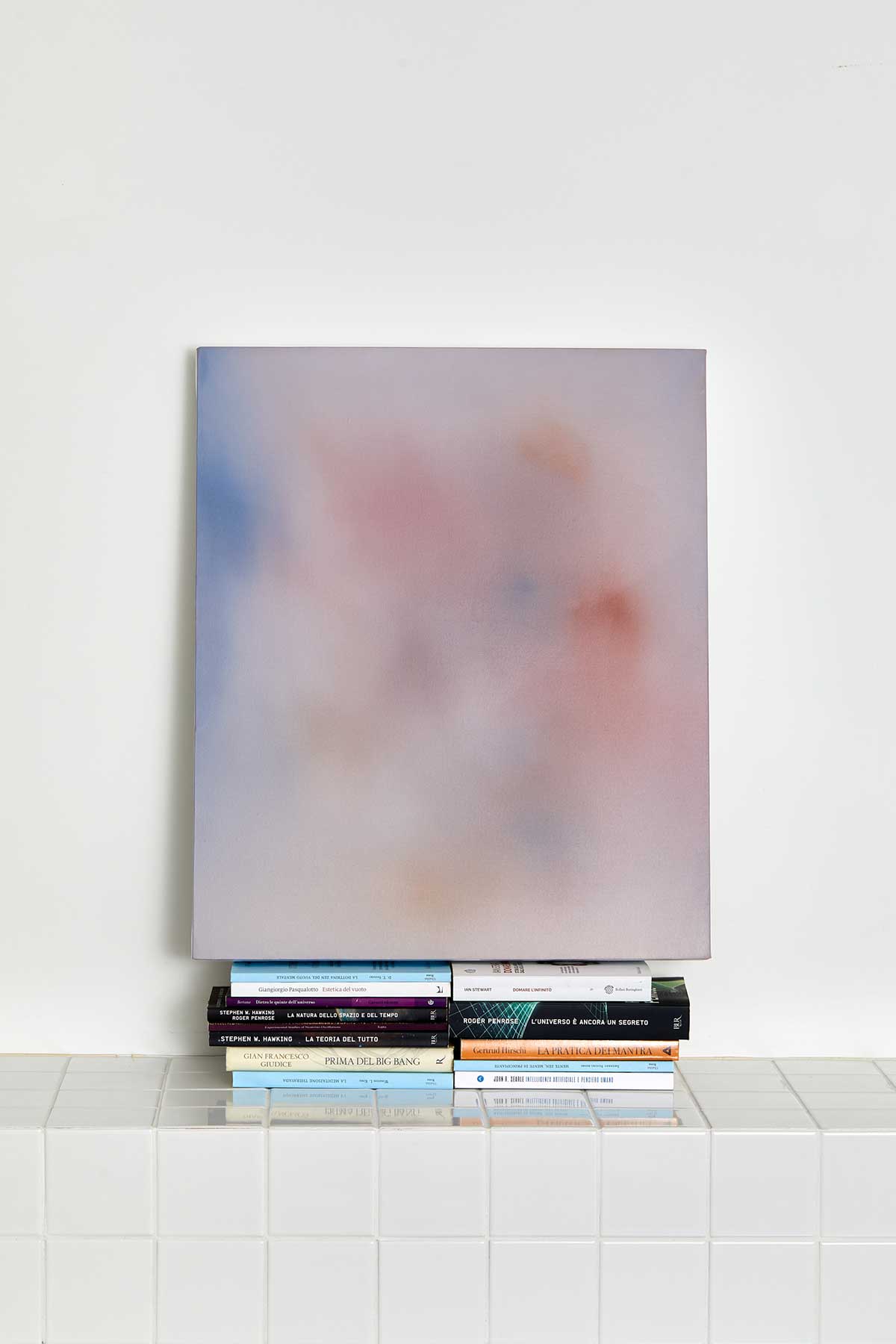
Also on this floor, an installation of ten tiny paintings enhances the vastness of the main room and the concept of infinite vision, playing with scale and perception to expand the viewer's sense of space. On the lower floor, additional works interact with the rooms and are placed on books about quantum physics and mathematics, emphasizing the connection between art and scientific theory.
Chiara Capellini
Venue
CAB Foundation
Location
Saint Paul de Vence
Year
2025